


Replacing a Missing Tooth in Denver: A Comparison of Dental Bridges vs. Single-Implant Restorations
Barotz Dental | April 1, 2026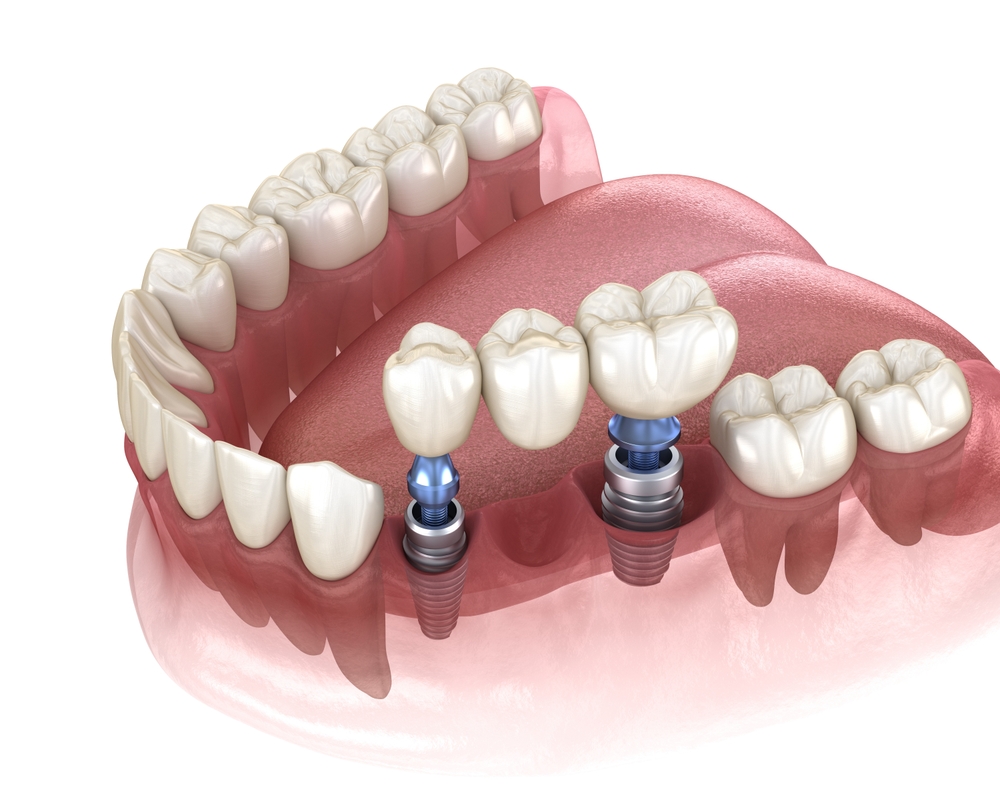
A missing tooth affects more than the look of your smile. It can change how you chew, how your bite feels, and how neighboring teeth stay aligned. For Denver patients comparing dental bridges vs. single-implant restorations, the right choice depends on oral health, bone support, budget, timeline, and long-term goals. At Barotz Dental, we help patients understand both options clearly so they can choose a treatment that supports function, comfort, and confidence.
What Is A Dental Bridge?
A dental bridge replaces a missing tooth by using the neighboring teeth as anchors. These teeth are prepared for crowns, and the replacement tooth is attached between them. Bridges can be a reliable option when the teeth on both sides of the gap already need crowns or added support.
A bridge does not require dental implant surgery, which may appeal to some patients. However, it also means healthy neighboring teeth may need to be reshaped. Since the replacement tooth sits above the gumline, a bridge does not replace the missing tooth root.
What Is A Single-Implant Restoration?
A single-implant restoration replaces both the visible tooth and the missing root. The dental implant is placed in the jawbone, where it acts as a stable foundation for a custom crown. For many Denver patients, a single dental implant feels and functions more like a natural tooth because it stands independently.
Unlike a bridge, a single-implant restoration does not rely on adjacent teeth for support. This helps preserve nearby tooth structure while also supporting the jawbone in the area where the tooth was lost.
Dental Bridges vs. Single-Implant Restorations
When comparing dental bridges vs. single-implant restorations, it helps to look at the full picture rather than focusing on one factor alone.
Key differences include:
• Tooth support - bridges use neighboring teeth, while implants stand on their own
• Bone health - implants help stimulate the jawbone, while bridges do not replace the tooth root
• Cleaning - bridges require special flossing under the replacement tooth, while implants are cleaned more like natural teeth
• Longevity - implants are often designed as a long-term solution with proper care
• Treatment process - bridges may be completed faster, while implants require healing time
Both options can restore your smile, but the best fit depends on the condition of your teeth, gums, and bone.
Which Option Is Best For A Missing Tooth?
A dental bridge may be recommended if the surrounding teeth need crowns, if bone support is limited, or if a patient wants a non-surgical option. A single-implant restoration may be preferred when the nearby teeth are healthy and the goal is to replace the missing tooth without altering them.
During a dental implant consultation in Denver, advanced imaging and a detailed exam can help determine whether an implant is possible and whether additional steps are needed before treatment.
Compare Your Options With Barotz Dental
Replacing a missing tooth is a decision that should be made with precision. At Barotz Dental, we focus on creating restorations that look natural, feel stable, and fit comfortably with your bite. Whether you are considering a dental bridge or a single dental implant, our team will explain your options and help you make an informed choice.
Schedule a consultation at Barotz Dental to replace a missing tooth with a solution that fits your smile, bite, and long-term goals. Contact our office in Denver, Colorado by calling (303) 595-4994 to book an appointment today.

