


Stress, Clenching, and Cracked Teeth: Solving the Downtown Denver Tech Worker Jaw Pain Epidemic
Barotz Dental | November 12, 2026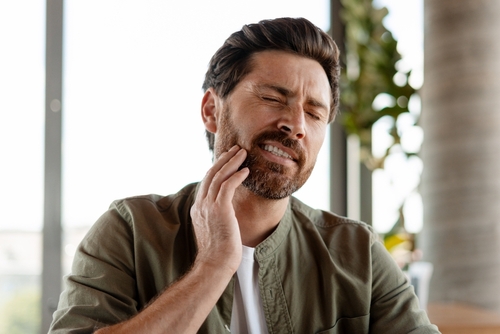
Stress, Clenching, and Cracked Teeth: Solving the Downtown Denver Tech Worker Jaw Pain Epidemic
A deadline, a difficult debugging session, or back-to-back video calls can make it easy to overlook a clenched jaw. If you work in downtown Denver and finish the day with sore jaw muscles or sensitive teeth, it is worth paying attention. At Barotz Dental, we help patients understand what is causing their discomfort and recommend care to protect their teeth.
How Stress Can Affect Your Jaw
Bruxism is the habit of clenching or grinding your teeth while awake or asleep. Stress can contribute, although sleep patterns, certain medications, and other factors may also play a role. You may not realize it is happening until you notice discomfort or tooth wear.
Repeated clenching can leave jaw muscles tired and sore. Grinding can wear down enamel and contribute to chipped or cracked teeth. However, jaw pain does not automatically mean you grind your teeth or have a temporomandibular disorder, often called TMD. An examination helps distinguish these possibilities.
Signs That Deserve a Dental Visit
For busy Denver professionals, it can be tempting to postpone care until a project ends. Schedule an evaluation if you notice:
Recurring jaw soreness or tightness, especially after work or upon waking
New tooth sensitivity or visible chips
Sharp pain when biting down or releasing a bite
Painful jaw clicking, locking, or difficulty opening your mouth
Painless clicking alone is common and does not necessarily require treatment. Persistent pain or changes in jaw movement deserve attention.
Why a Cracked Tooth Needs Prompt Attention
A cracked tooth may hurt only occasionally, especially when chewing or drinking something hot or cold. That does not mean the problem has resolved. A tooth crack does not heal on its own, and some cracks can extend farther into the tooth.
We evaluate the location and extent of damage before recommending treatment. Depending on the findings, a damaged tooth may need a filling or crown. If the crack affects the inner pulp, root canal treatment may be necessary. Some severe fractures cannot be repaired. Early evaluation helps us determine which options remain available.
Protecting Teeth and Addressing Jaw Pain
At our downtown Denver practice, we begin by reviewing your symptoms and examining your teeth and jaw. Tell us whether discomfort appears during concentrated work, after sleep, or when chewing.
For appropriate patients, we may recommend a professionally fitted nightguard to help protect teeth from grinding damage. A guard does not necessarily stop clenching or resolve every cause of jaw pain. Treatment for jaw muscle or joint discomfort often starts with conservative steps, such as reducing aggravating habits and managing stress.
Simple Changes During the Workday
Set a reminder to check whether your teeth are pressed together. Let your jaw relax and keep your teeth slightly apart when resting. Avoid chewing pens, ice, or gum, especially when your jaw is sore. Brief breaks and relaxation techniques can help you become more aware of tension during demanding tasks.
If a tooth breaks or pain becomes severe, contact our office promptly instead of waiting for your next routine appointment.
Schedule an evaluation for jaw pain, teeth clenching, or a suspected cracked tooth with Barotz Dental in Denver, CO, by calling (720) 573-1500.

